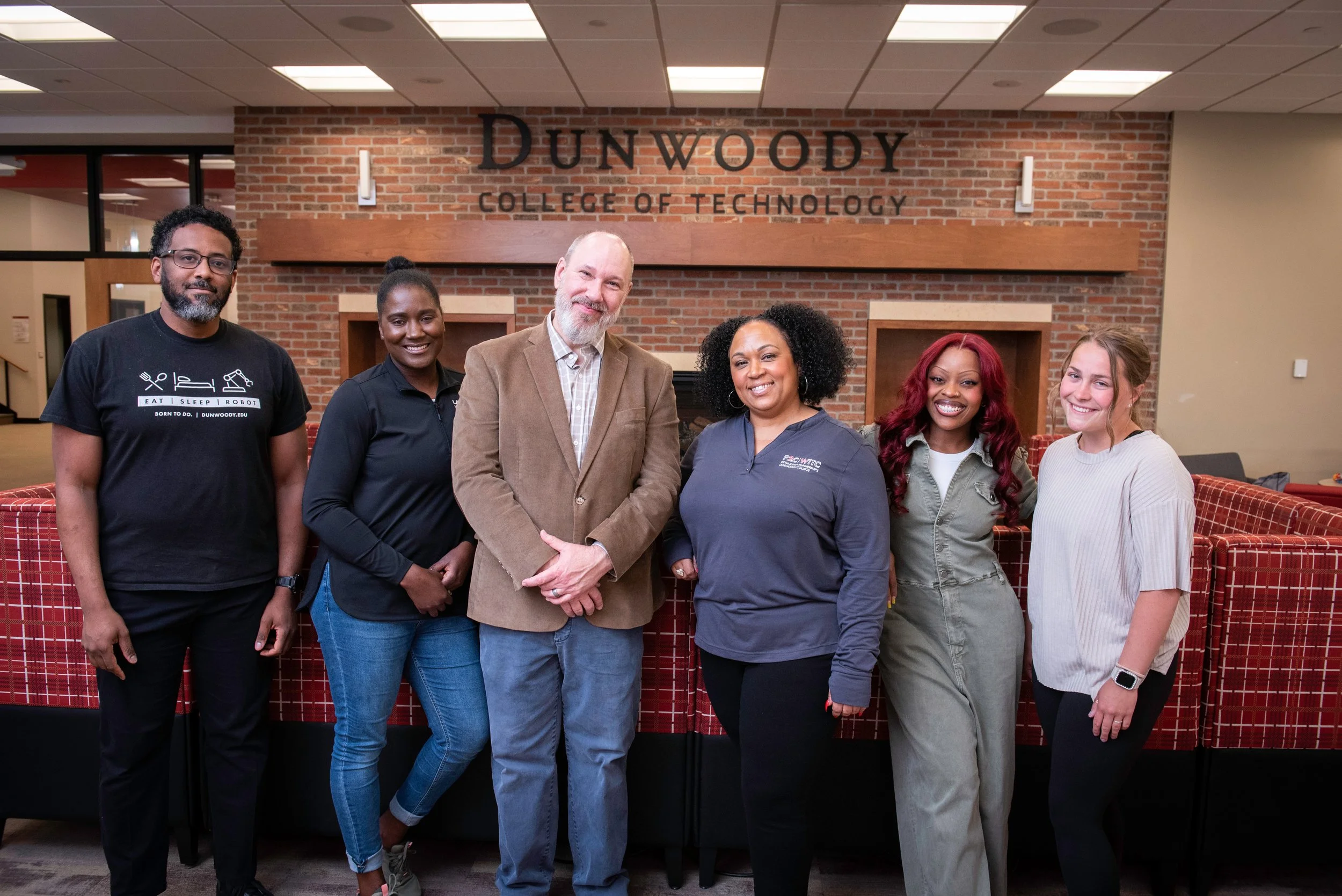
“This is why we continue to have Empowerment Training return every year. We are seeing the difference in how students show up, how they see themselves, and how they move through challenges. Students continue to tell us how meaningful those sessions have been for them.”
— Augustine Kaiser
Program Director, Pathways to Careers, Dunwoody College of Technology
For students working toward a new career, success takes more than learning technical skills. It also takes confidence, self-awareness, resilience, and the ability to keep moving through challenges.
That is why Dunwoody College of Technology has continued bringing Twin Cities R!SE’s Empowerment Institute into its Pathways to Careers (P2C) program year after year.
The partnership began in 2021, when Bayza Weeks, Executive Director of Community Partnerships at Dunwoody College of Technology, was building what would become the Pathways to Careers Scholarship Program, or P2C.
An early conversation with Twin Cities R!SE focused on creating referral opportunities between the two organizations. As the relationship developed, another opportunity emerged: bringing Empowerment Training directly to Dunwoody students.
It stuck.
“The feedback from the students is that they find it to be very meaningful and incredibly valuable to their growth as individuals, as students, and as professionals,” Bayza said.
Meeting Students Where They Are
P2C serves students at very different stages of life, from high school students exploring technical careers to adults returning to school and preparing for a new career.
Because those students have different experiences and needs, Dunwoody and the Empowerment Institute do not treat every training the same.
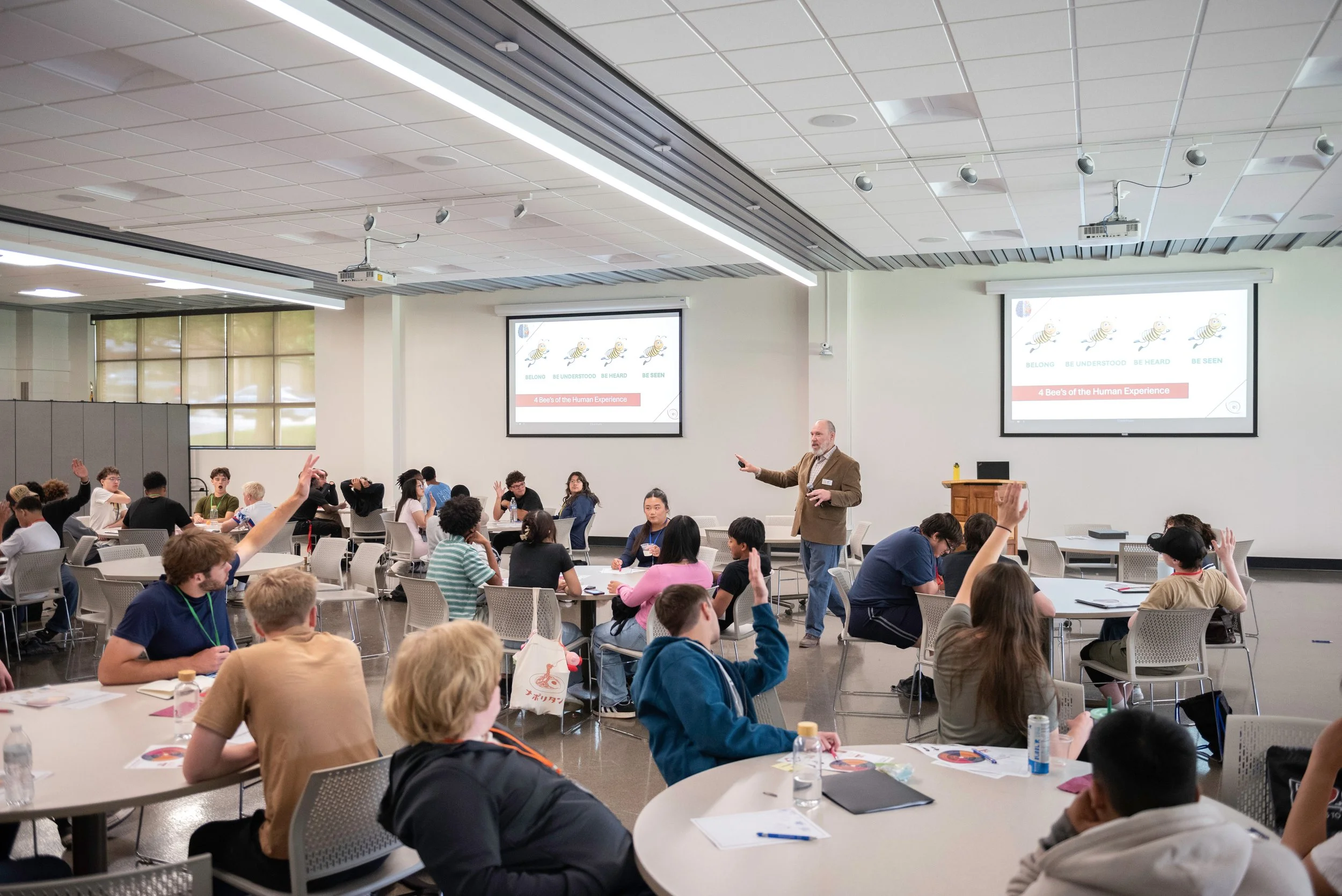
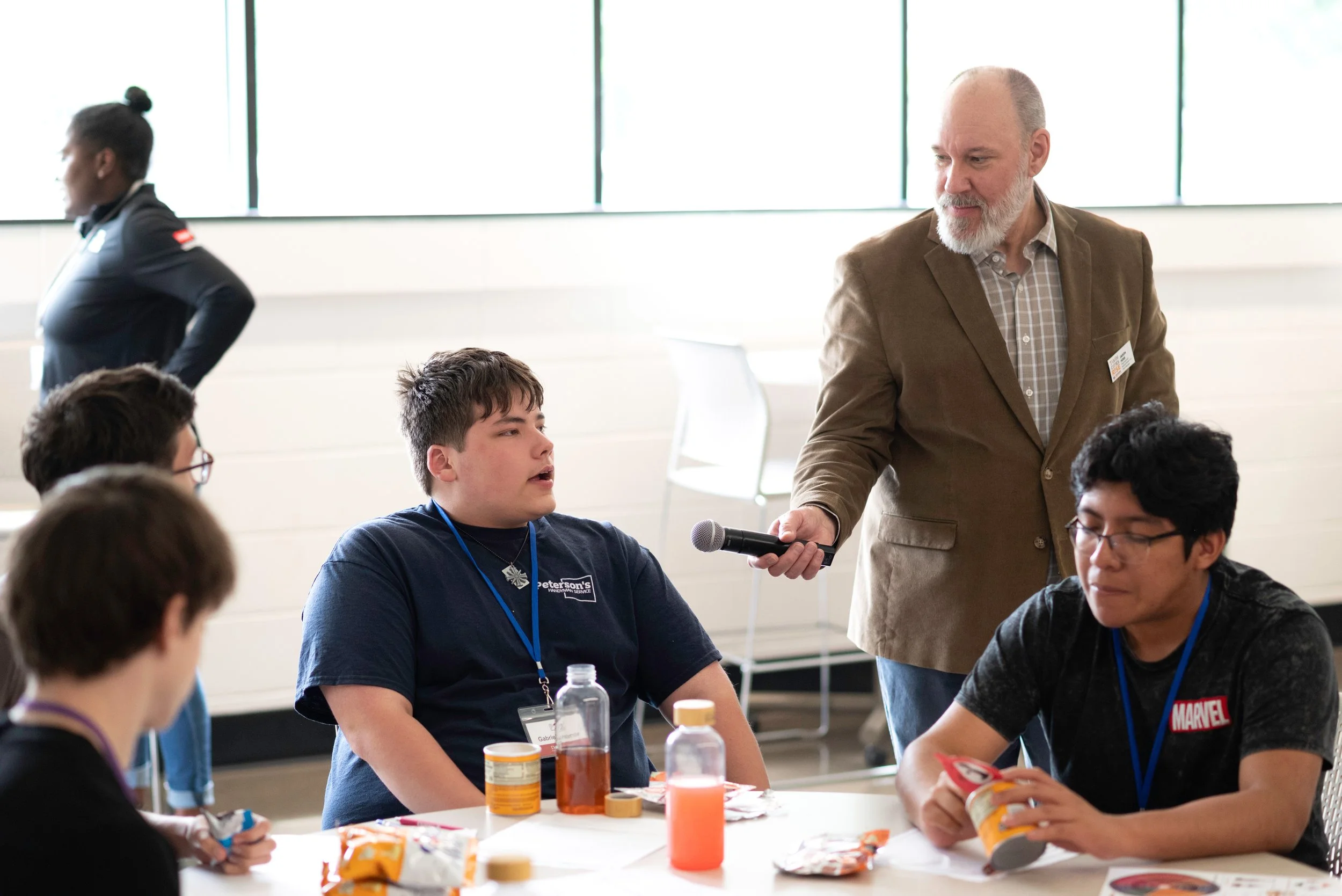
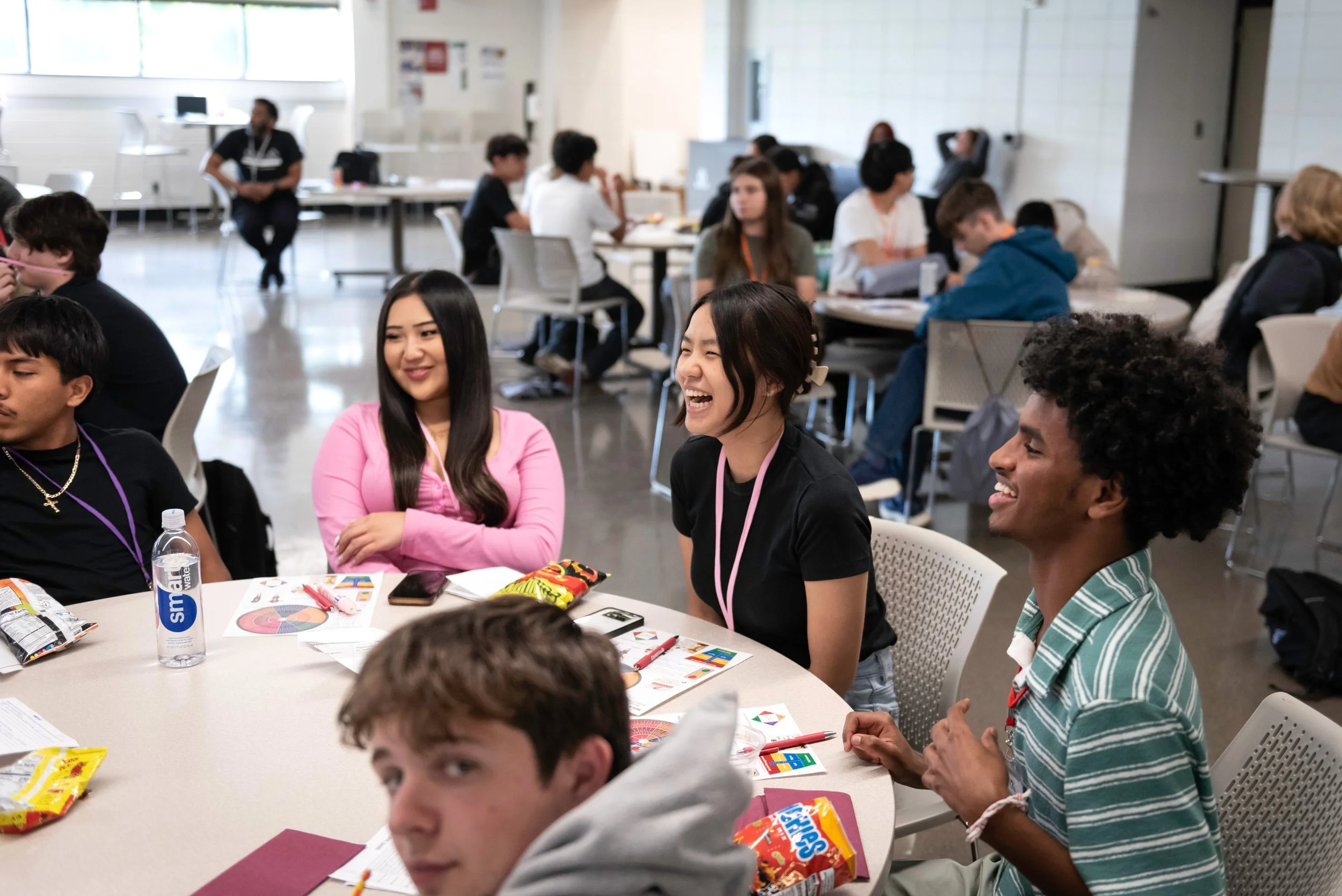
Summer sessions with high school students are designed differently than sessions serving adults during the academic year. Facilitators adjust the conversation while keeping the core concepts relevant to each group.
That flexibility matters to Bayza.
“What I like about Empowerment Training in particular is that it is individualized,” she said. “Anyone can apply it to where they are in their life and where they want to go according to their goals.”
For Dunwoody, that means students are getting space to think about more than coursework, grades, or their next job.
They are being challenged to think about how they see themselves, how they respond to challenges, how they interact with others, and what they believe they are capable of accomplishing.
Building the Mindset to Persist
Augustine Kaiser, Program Director, Pathways to Careers at Dunwoody College of Technology, works closely with P2C students throughout their time at Dunwoody.
She has watched Empowerment Training become a consistent part of that experience.
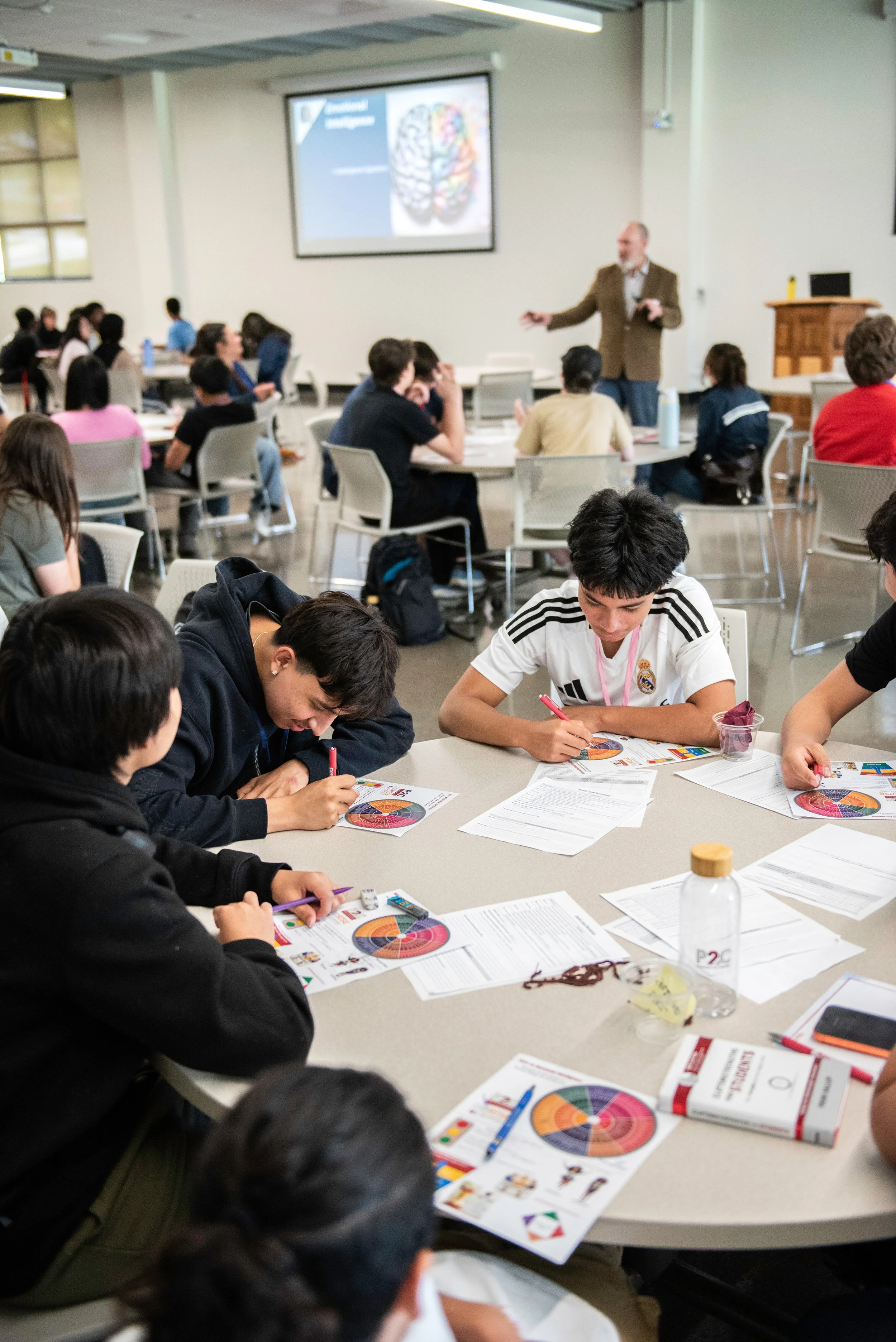
Sessions have explored concepts including locus of control, growth mindset, fixed mindset, confidence, and how students respond when doubt or imposter syndrome begins to show up.
Those conversations are especially important for students entering an unfamiliar environment or taking a step they may not have believed was possible for them.
“We intentionally have it at the beginning of the cohort,” Augustine explained. “The goal is to help students begin building confidence early, then reinforce those ideas again as they move further into their education.”
And Dunwoody has seen the difference.
“This is why we continue to include the Empowerment Institute trainings every single year,” Augustine said. “We’re seeing the difference.”
She recalled one student telling her that they had not expected the training to affect them as deeply as it did.
“I don’t think I would have been able to persist if we didn’t have those sessions.”
That is the kind of impact Dunwoody continues to hear through student feedback.
When a Training Keeps Growing
The ideas introduced during Empowerment Training have also found their way into other parts of the P2C experience.
One example is a tradition Dunwoody created for its students: Letter to Self.
Students write a letter near the beginning of their experience reflecting on where they are and where they hope to be two years later. Dunwoody keeps the letters and returns them as students reach graduation.
The idea grew from conversations around mindset, reflection, community, and recognizing your own ability to grow.
For Augustine, it gives students the chance to see something that can be easy to forget while they are working toward the next goal: how far they have already come.
More Than a One-Time Workshop
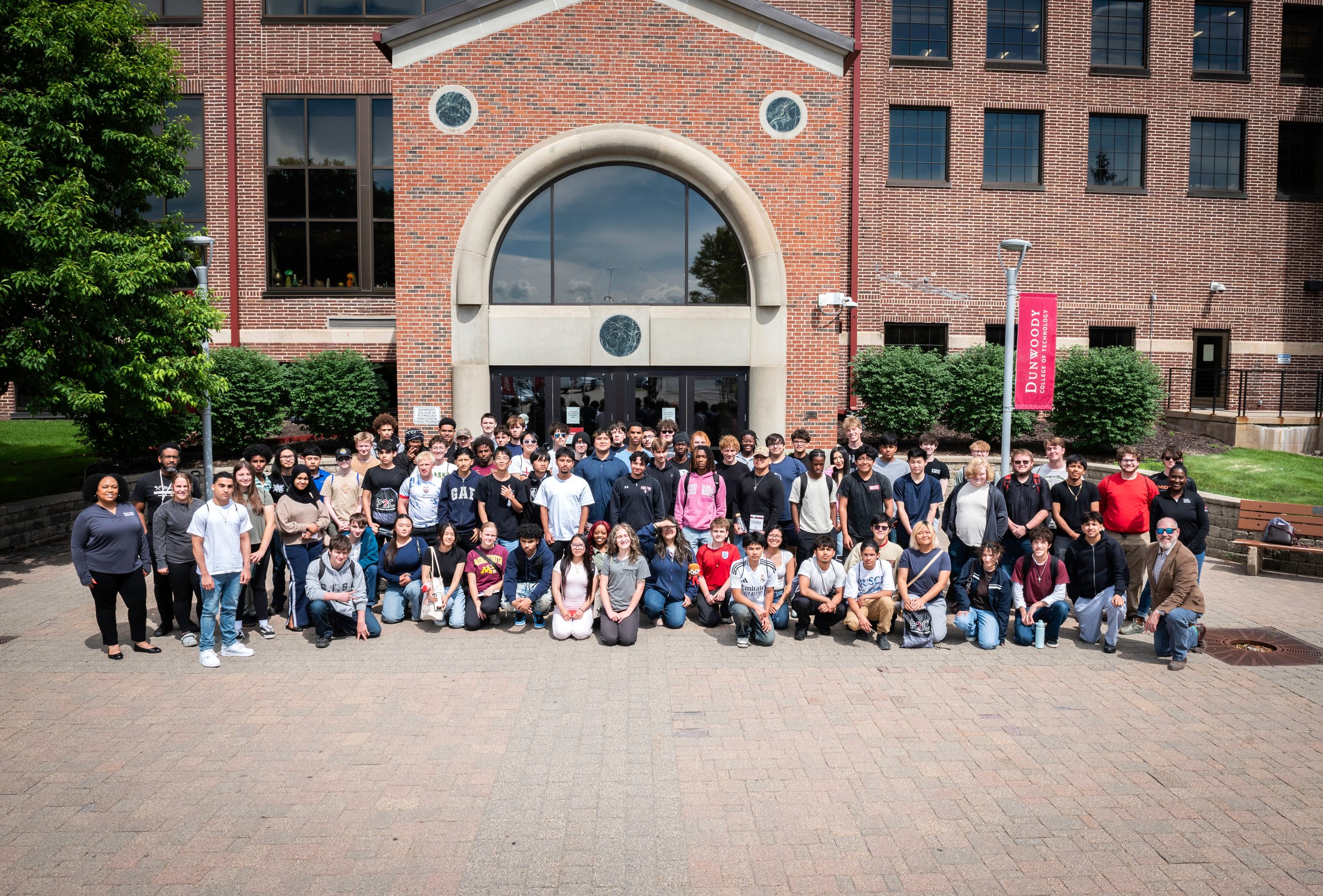
Since P2C launched, the program has grown from 30 students to more than 260. Throughout that growth, Empowerment Training has remained part of the support Dunwoody provides its scholars.
Bayza sees it as a complement to the technical education students receive in the classroom.
“Empowerment Training really, truly complements the education that these students are getting at Dunwoody,” she said. “It’s helping them be prepared holistically as an individual.”
For Dunwoody, the value is not simply having another workshop on the calendar.
It is giving students dedicated time to invest in themselves.
After years of student feedback and repeated sessions, Empowerment Training has become part of how P2C supports the whole student. It gives students practical tools to reflect, build confidence, ask for support, and work through challenges as they continue toward their education and career goals.